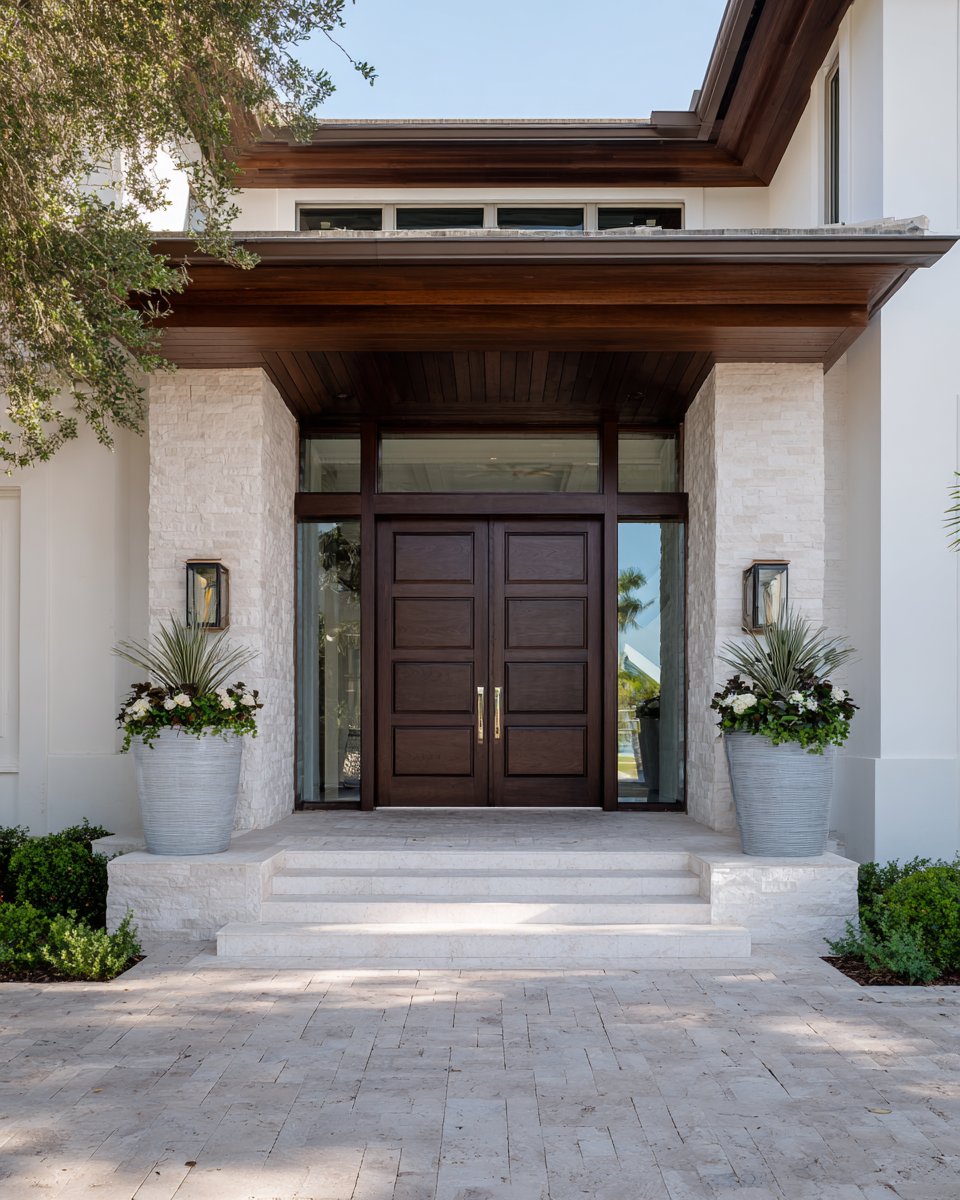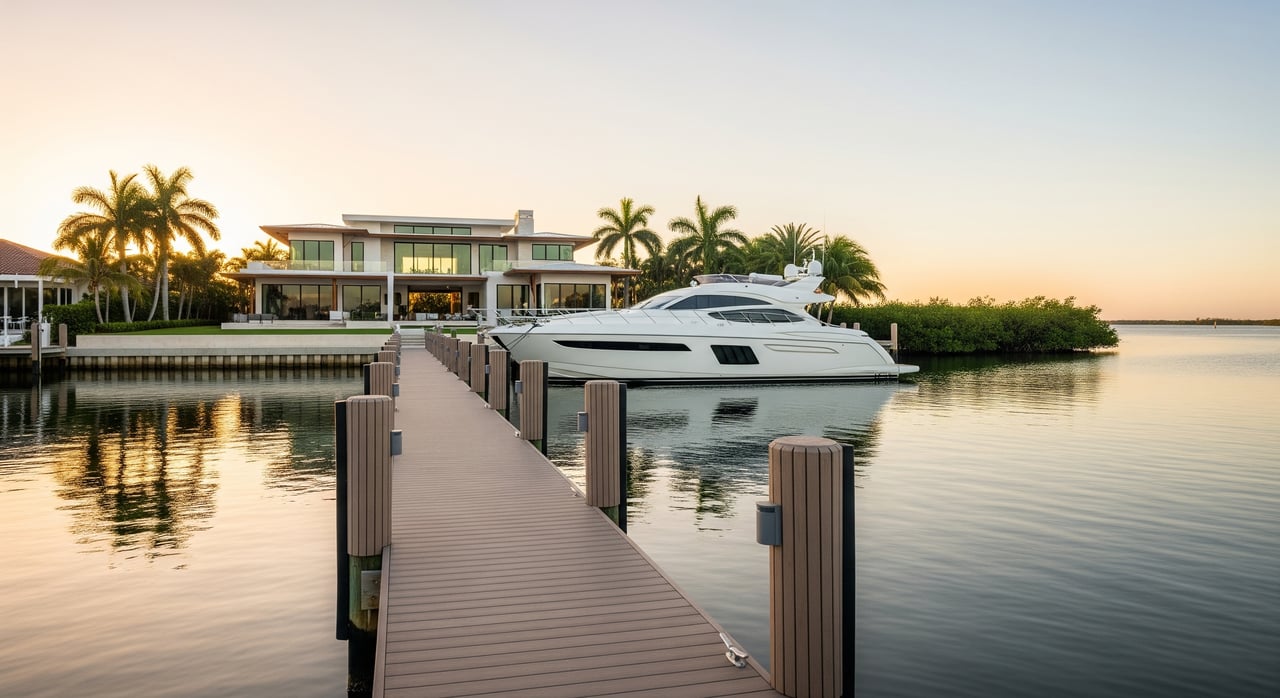
Picture stepping from your back patio onto your boat and cruising the Manatee River by sunset. If you’re considering a move to Bradenton for a boating lifestyle, you’re not alone. You want the right water access, the right dock setup, and the right community rules so your time on the water is easy. In this guide, you’ll learn how Bradenton’s waterways work, the types of boat-friendly homes to consider, permits and costs to expect, and how to start your search with confidence. Let’s dive in.
Bradenton boat access
Bradenton sits where the Manatee River meets Tampa Bay, with quick access to Anna Maria Sound and the Gulf. You’ll find a mix of riverfront, bayfront, and canal-front living, along with protected routes along parts of the Gulf Intracoastal Waterway.
Tides here are modest, typically around 1 to 3 feet depending on location and lunar cycle. Still, tidal swings, shoaling, and storm seasons can affect draft and dock usability. Many residential canals and tidal creeks can be shallow at mean low water, so it’s smart to verify water depth at your dock and along your route before you buy.
Plan for local navigational constraints. Fixed bridges with varying vertical clearances can limit sailboat masts, and dredged channels and markers may change over time. If you have a taller rig or deeper draft, confirm bridge clearance and channel depths for your expected routes.
Property types to consider
Private dock on a waterfront lot
You get convenience and control with a deeded dock at a single-family home. Verify the dock’s existing permits, riparian rights, and any easements. Check the seawall and overall shoreline condition, since maintenance is your responsibility.
Lift or davits on your dock
A boat lift helps protect your hull and can reduce maintenance. It adds cost and requires proper electrical work. Ask about age, service history, and capacity to match your boat.
Community marina or HOA-owned slips
Some neighborhoods offer slips that are deeded, assigned, or leased. Rules often limit boat size, type, and guest usage. Confirm whether the slip transfers with the property and whether there’s a waitlist.
Condo with slips or dry-stack storage
Condominiums may include assigned slips or access to nearby dry-stack marinas, which are popular for smaller boats and runabouts. Review storage rules, transfer policies, and monthly or annual fees.
Non-waterfront homes with nearby marina access
You can still enjoy boating without a dock at home. Private marinas, public marinas, boat clubs, and public ramps around Bradenton provide options for storage and launching.
Mooring fields and public launch options
If you trailer your boat or prefer temporary mooring, look into local mooring rules and public ramps. Availability and regulations can vary by municipality and habitat protections.
Permits and rules to know
Who regulates docks and shoreline work
Local permits typically run through the City of Bradenton or Manatee County, depending on the property’s jurisdiction. Work below the mean high-water line, dredging, bulkheads, or new docks may also require approvals from the Florida Department of Environmental Protection and the U.S. Army Corps of Engineers.
Seagrass and estuary protection is a priority in this region. Projects in sensitive habitat areas can face restrictions or require mitigation. Endangered species protections may also affect approvals and timelines.
Flood zones and insurance
FEMA Flood Insurance Rate Maps identify Special Flood Hazard Areas. If your home is in one of these zones and you have a federally backed mortgage, flood insurance is typically required. Windstorm and flood insurance are separate policies. Waterfront living may mean higher premiums and additional wind mitigation measures.
Boating operations and safety
Florida Fish and Wildlife Conservation Commission sets boating rules, and local speed zones and no-wake areas are common near residential and shallow-water habitats. If you plan to liveaboard, fuel at home, or handle pump-outs, review local ordinances before you buy.
Buyer due diligence checklist
Use this quick checklist to evaluate a boat-friendly property:
- Confirm jurisdiction first: City of Bradenton or unincorporated Manatee County, as it affects permit rules.
- Verify dock permit history, transferability, and any recorded dock or access easements.
- Inspect seawall age and condition, riprap placement, and any recent repairs or reinforcement.
- Check mean low-water depth at the dock, typical tidal range at the location, and any submerged hazards.
- Review bridge clearances at mean high water along your planned cruising route.
- Ask about dredging history and any private or municipal dredging agreements that maintain channel depth.
- Obtain a third-party assessment from a marine contractor or surveyor for the dock, lift, seawall, and nearshore bottom profile.
- Review HOA or condo covenants for boat size limits, slip assignment rules, guest policies, and maintenance responsibilities.
- Confirm slip availability, waitlists, fees, and whether slips transfer with the sale.
- Check local marina options and waitlists if the property does not include a slip or lift.
Costs and insurance to plan for
Boat insurance costs depend on your boat’s value, where and how it’s stored, local claim history, and your experience. Storage on a lift or in a dry-stack often lowers risk compared with open-water slips.
Plan for ongoing ownership costs. These can include dock and seawall maintenance, lift service, electric and water to the dock, HOA or marina fees, and, in rare cases, dredging. Flood and windstorm insurance are separate and may carry different deductibles.
Hurricane and storm readiness
Shoreline homes should have a clear plan for storm season. Know how you’ll secure lines, lift cradles, or remove the boat from a lift. Identify haul-out services or hurricane storage ahead of time, and review your community marina’s storm procedures, including evacuation or hard-tie plans. A written plan helps protect both your property and your neighbors.
Resale considerations
A properly permitted private dock or deeded slip can boost desirability and value. It also narrows the buyer pool to those who will use and care about the dock, which can be a positive if you market to boaters. Properties with unresolved permitting or seawall issues may stay on the market longer or require repairs before closing. Addressing these early makes for a smoother sale.
Where to start your search
Focus your search on property types and water access that fit your boating. Helpful starting points include:
- Riverfront along the Manatee River, including the downtown Bradenton stretch near the Riverwalk.
- Bayfront areas such as Palma Sola Bay and Anna Maria Sound, with routes toward Tampa Bay and the Gulf.
- Canal-front neighborhoods in South Bradenton and nearby bayou or estuary pockets.
- Island and peninsula areas, including Perico Island and the Cortez area, where working waterfront and residential pockets meet.
Use your MLS waterfront filters to narrow by riverfront, bayfront, canal-front, dock, and slip options. Confirm parcel details and recorded improvements with the county property appraiser maps. For extra diligence, check city and county permitting portals for dock and seawall permit history.
If you are comparing communities with shared marinas, ask for HOA documents that outline slip type, size limits, assignment rules, and transfer policies. For non-waterfront options, vet nearby marinas, storage availability, and waitlists early.
Quick boating glossary
- Riparian rights: The rights of waterfront landowners to access and use the adjacent water, subject to laws and permits.
- Mean low water: The average low tide level over a set period; helps assess usable depth at your dock.
- Fixed-bridge clearance: The vertical height from the waterline to the bottom of a bridge; limits sailboat masts and tall vessels.
- Seawall: A shoreline structure that retains land and resists wave action; inspect for cracks, bowing, or corrosion.
- Riprap: Rock placed along shorelines to reduce erosion and protect the seawall or bank.
- Dry-stack: A marina storage method that racks boats out of the water in a covered facility; common for smaller vessels.
- No-wake zone: An area where boats must travel slowly enough to create minimal wake for safety and habitat protection.
Get local guidance
When you buy for the boating lifestyle, details matter. Depth at mean low water, bridge clearance, HOA slip rules, and insurance can make or break daily convenience. You deserve a team that knows the nuances of Bradenton’s waterfront, from Manatee River currents to Palma Sola canal depths, and who can connect you with trusted marine contractors, surveyors, and permitting offices. If you want a low-stress path to the right dock, the right route, and the right home, we’re here to help.
Ready to explore boat-friendly communities in Bradenton? Reach out to The Paxton Group to start your Florida lifestyle search.
FAQs
Do Bradenton waterfront homes always include a dock?
- No. Some waterfront properties lack docks due to permit limits, environmental restrictions, or previous removal; condos may have limited slips that are not deeded.
Who handles seawall and dock repairs for a property?
- For private docks and seawalls, the property owner is usually responsible; in community marinas, the HOA or operator may handle maintenance per governing documents.
Are there boat size limits in community marinas around Bradenton?
- Often yes. Many HOAs and marinas limit length, beam, and draft; review covenants and marina rules to confirm what is allowed.
Will I need flood insurance if I buy on the water in Bradenton?
- If your structure is in a FEMA Special Flood Hazard Area and you have a federally backed mortgage, flood insurance is typically required.
How can I verify that a dock on a Bradenton property was permitted?
- Request permit records from the City of Bradenton or Manatee County for the parcel; some records may be searchable online depending on jurisdiction.
Are there environmental restrictions on seagrass and dredging locally?
- Yes. Seagrass and estuarine habitats are regulated; new docks or dredging may require state and federal approvals and sometimes mitigation.