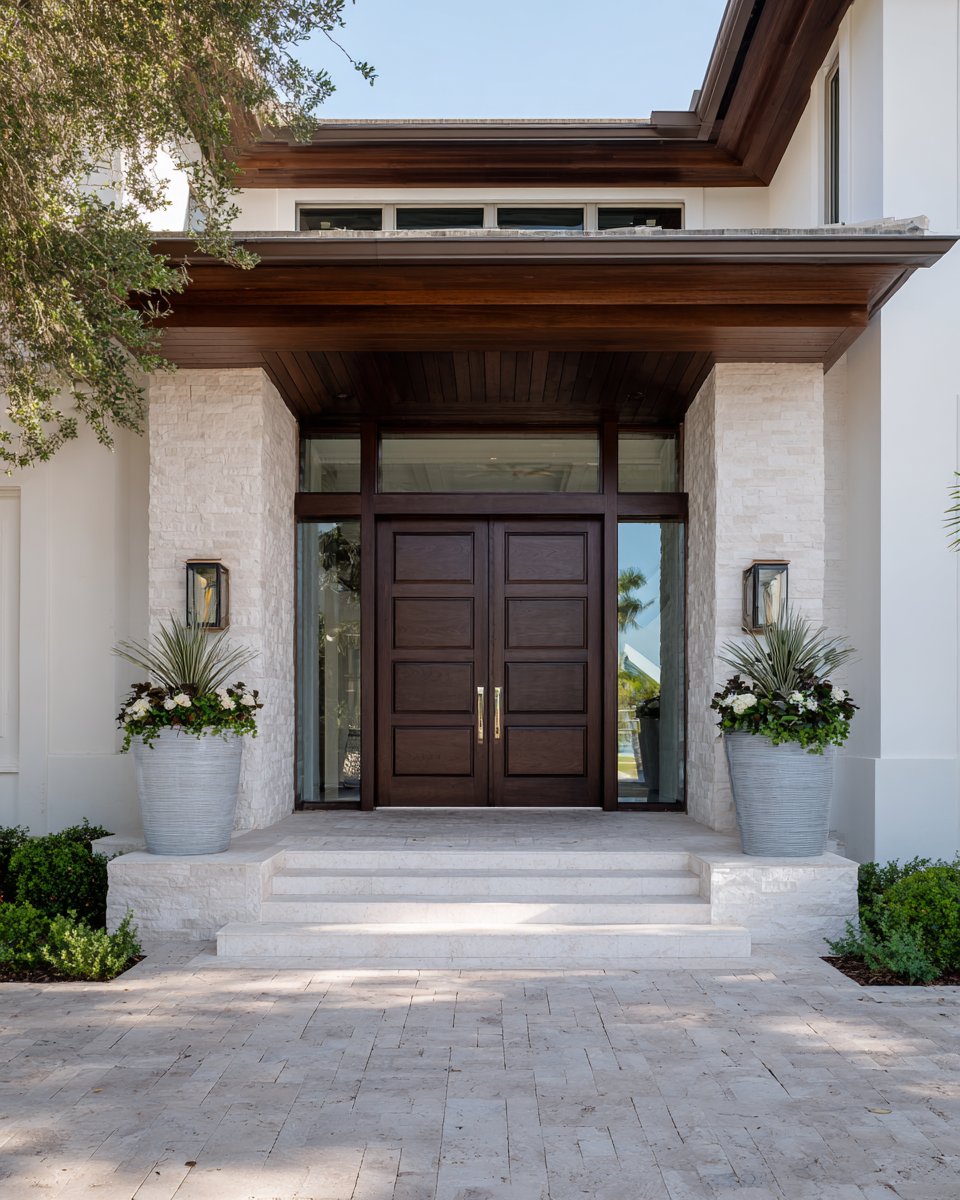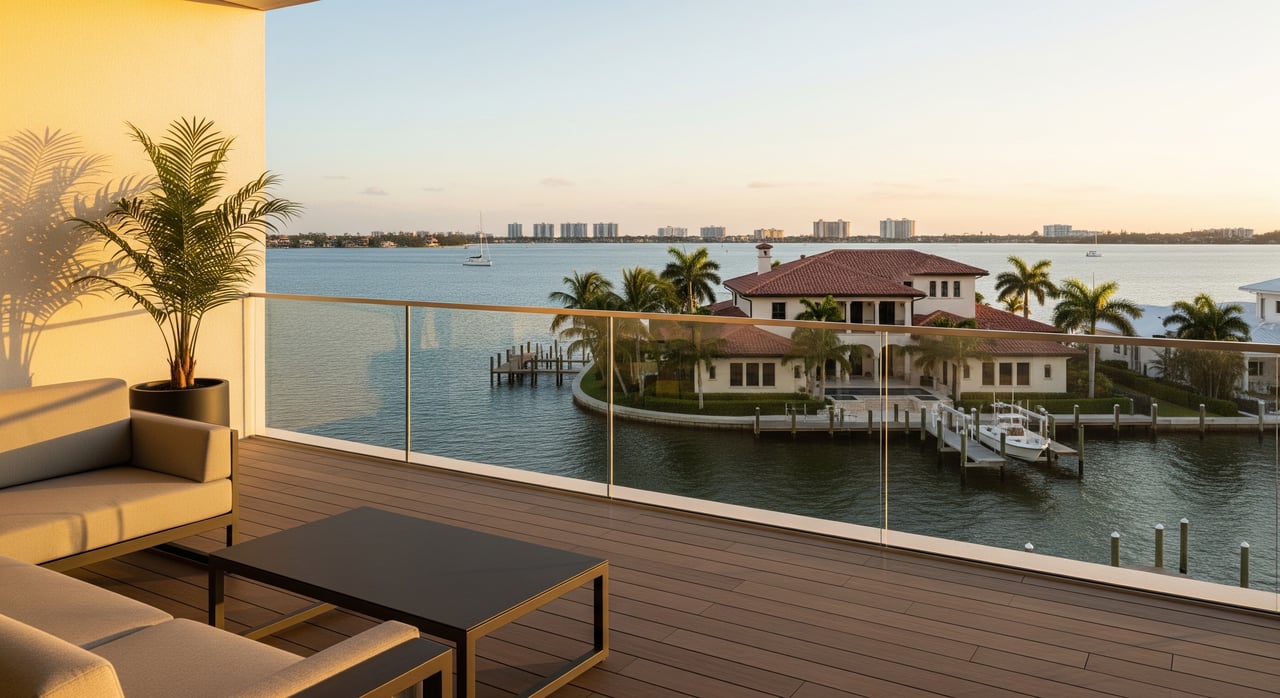
Trying to choose between a Sarasota condo with Gulf breezes and a single‑family home with a backyard? It’s a big decision, and the right answer depends on how you want to live day to day, how you handle maintenance, and your comfort with Florida’s insurance and coastal risks. In this guide, you’ll compare real costs, lifestyle tradeoffs, association rules, and risk factors that matter in Sarasota’s unique submarkets. You’ll also get a practical checklist you can use before you write an offer. Let’s dive in.
Sarasota neighborhoods at a glance
Downtown and arts districts
Downtown Sarasota and nearby areas like the Rosemary District and Gillespie Park offer a high concentration of mid‑rise and high‑rise condos with walkable access to dining, arts, and entertainment. If you value car‑light living and building amenities, these locations are a strong match. Expect tradeoffs with traffic and parking, especially during season.
Barrier islands and beaches
Siesta Key, Lido Key, and Longboat Key feature many condominiums and resort‑style communities close to the sand. You’ll find some single‑family homes too, often at higher price points and with more exposure to coastal hazards. If you want beach access and views, factor in storm surge, wind exposure, and salt air maintenance.
Mainland neighborhoods and space
On the mainland, areas like Palmer Ranch, Southside Village, Gulf Gate, and Bee Ridge are dominated by single‑family homes along with some garden‑style condos and townhomes. You’ll typically get more yard space and less immediate coastal flood exposure than the barrier islands. If you’re focused on room to grow or outdoor living, these neighborhoods are worth a close look.
Cost comparison: condo vs house
Monthly costs to budget
For a true apples‑to‑apples comparison, total your expected monthly cost across these items:
- Mortgage principal and interest
- Property taxes and any exemptions you qualify for through the Sarasota County Property Appraiser
- HOA or condo association fees and what they include
- Homeowner’s insurance (HO‑3 for most houses) or condo owner’s policy (HO‑6), plus what the building’s master policy covers
- Flood insurance, based on FEMA flood zone and elevation
- A maintenance reserve for repairs and replacements
Association fees and reserves
Condo fees often cover exterior maintenance, common‑area insurance, landscaping, elevators, pools, security, and sometimes utilities. Single‑family homes in HOA communities may pay lower dues, but those dues usually cover fewer items. Associations can raise dues or levy special assessments when reserves are inadequate. Before you commit, review the condo or HOA budget, reserve studies, meeting minutes, and any pending litigation. For background on Florida association rules, see Florida Statutes Chapter 718 for condominiums and Chapter 720 for HOAs.
Insurance realities in Florida
Florida’s property insurance market has seen elevated rates and adjustments since 2019, especially in coastal zones. Premiums and deductibles for wind and flood can materially change your budget. For context on market conditions and programs, review the Florida Office of Insurance Regulation and Citizens Property Insurance Corporation. Always confirm what the condo master policy covers and what you still need in your HO‑6 policy, including loss assessment coverage.
Flood, wind, and building risk
Flood zones and elevation
Flood exposure is site specific. Two homes on the same street can have different risk profiles based on elevation and construction. Check your property’s designation through the FEMA Flood Map Service Center. Lenders will require flood insurance for many properties in high‑risk zones, and premiums can vary based on your elevation and building features.
Master policy vs HO‑6 for condos
Condo associations usually carry a master policy for the building and common elements. You will likely need an HO‑6 policy for your unit interior, personal property, liability, and loss assessment. Confirm whether the master policy is “all‑in” or “bare walls,” what wind and flood coverage it includes, and the deductible amounts. High deductibles can shift more risk and potential cost to owners if a storm occurs.
Lender considerations in high‑risk areas
Financing a condo can involve added steps. Lenders may review the building’s financial health, reserves, owner‑occupancy levels, and insurance coverage. Some loan programs require project approval. You can learn more about approvals through HUD’s condominium guidance. Single‑family homes often have more straightforward underwriting, but coastal and flood factors still apply.
Lifestyle tradeoffs that matter
When a condo fits best
- You prefer low‑chore living where landscaping, exterior care, and many repairs are handled.
- You want on‑site amenities like a pool, fitness center, or staffed entry.
- You value walkability to dining, arts, and beaches.
- You plan to lock and leave for part of the year and want a managed building environment.
- You are comfortable with community rules on renovations, pets, grills, and rentals.
When a house fits best
- You want private outdoor space for gardening, grilling, or a pool.
- You prefer control over exterior changes and storage for gear or vehicles.
- You like more privacy and fewer shared walls.
- You are prepared to handle or budget for roof, exterior, and yard maintenance.
Rental rules and flexibility
Short‑term rental rules vary by municipality and by association. Many condo associations either prohibit or limit short‑term rentals. If rental income is part of your plan, confirm both city regulations and the building or neighborhood rules before making an offer. Start with the City of Sarasota Code of Ordinances and check the Town of Longboat Key Code if you are exploring that island. Your association’s declaration and bylaws will have the final say for that property.
Decision framework and checklist
Ten‑minute monthly worksheet
Create two side‑by‑side totals, one for a condo you like and one for a comparable house:
- Estimated mortgage payment
- HOA or condo dues and what they include
- Owner’s insurance (HO‑3 or HO‑6)
- Flood insurance, if applicable
- Property taxes and any homestead benefits via the Sarasota County Property Appraiser
- Maintenance reserve you control
- Houses: set aside 1 to 2 percent of home value annually.
- Condos: confirm association reserves and keep a personal contingency fund.
Documents to request early
- Condos: current budget and reserve study, last 12 to 24 months of meeting minutes, master insurance summary with wind and flood deductibles, declaration/bylaws and rental rules, pending litigation disclosures, estoppel letter, and special assessment history.
- Single‑family: recent maintenance records, roof and HVAC ages, survey, septic or well records if applicable, termite or pest history, and any shoreline or seawall documentation for waterfront lots.
Physical inspection focus areas
- Condos: balcony and railings, windows and sliders, signs of water intrusion, HVAC and water heater, plus roof and elevator conditions via association disclosures.
- Houses: roof age and materials, drainage and grading, tree proximity, plumbing and electrical systems, driveway and garage condition, and seawall health if waterfront.
Red flags to slow down
- Low or no reserves, frequent special assessments, or ongoing litigation in the association.
- Master policy with very high wind or flood deductibles or major exclusions.
- HOA or condo rules that conflict with your intended use, especially rentals.
- Repeated structural issues noted in minutes or inspection reports.
Sarasota scenarios: choose your fit
- Downtown arts lover: You want to walk to restaurants and shows. A well‑run downtown condo with amenities and solid reserves may be your best fit. Check parking availability and any noise considerations.
- Beach‑focused snowbird: You value beach access and a lock‑and‑leave lifestyle. A barrier‑island condo can work well if the master policy, wind and flood coverage, and reserves meet your comfort level.
- Growing household on the mainland: You want more space and a yard, with easier access to everyday services. A single‑family home in a mainland community can deliver privacy and flexibility. Review HOA rules and plan for ongoing exterior maintenance.
Next steps
The condo‑versus‑house decision in Sarasota comes down to how you want to live, the true monthly cost once you add insurance and dues, and your comfort with association rules and coastal risk. With the right due diligence, you can choose with confidence.
If you want local guidance tailored to your lifestyle, The Paxton Group can help you compare neighborhoods, review key documents, and connect you with trusted lenders, insurance pros, inspectors, and association contacts. From downtown walkability to island living and mainland communities, we help you find the fit that feels like home. Start your Florida lifestyle search — contact The Paxton Group.
FAQs
What costs do condo fees usually cover in Sarasota?
- Many condo fees include exterior maintenance, common‑area insurance, landscaping, elevators, pools, security, and sometimes utilities. Always verify line items in the association budget and what the master insurance policy covers.
Do I need flood insurance if I’m not on the beach?
- Flood risk is site specific and based on FEMA zones and elevation. Even inland areas can require flood insurance depending on the property and lender. Check your location on the FEMA Flood Map Service Center.
Is financing a condo harder than a house?
- It can be. Lenders often review the building’s reserves, insurance, and owner‑occupancy levels, and some programs require project approval. For background, see HUD’s condominium guidance.
How do special assessments work for condos?
- Associations can levy special assessments to fund major projects or cover shortfalls when reserves are not sufficient. Review meeting minutes and reserve studies to gauge the likelihood of future assessments.
What is the Florida homestead exemption and how does it help?
- Primary residents may qualify for a property tax reduction under Florida’s homestead rules. Check eligibility and filing details with the Sarasota County Property Appraiser.
Can I rent my Sarasota condo seasonally?
- Rules vary by building and municipality. Many condo associations limit short‑term rentals, and city rules also apply. Confirm the condo declaration and bylaws, and review the City of Sarasota Code of Ordinances for local regulations.