Is paying a waterfront premium in Venice, Florida worth it for you? It depends on the kind of water, the lifestyle you want, and the ongoing costs you are willing to carry. If you love sunsets, boating, and salt air, the right shoreline can be priceless. If you value lower maintenance and broader resale appeal, the right inland home can win. In this guide, you will learn how to compare apples to apples so you can decide with confidence. Let’s dive in.
What “waterfront” means in Venice
Not all waterfront is the same in Venice and nearby Sarasota County. Value, maintenance, and insurance can change a lot by water type. Here is how to think about it:
- Gulf-front or beachfront: Directly on the Gulf of Mexico beaches with panoramic views and beach access. Highest exposure to surf and storms.
- Inlet or bayfront: Near the Venice Inlet or open bay areas with quick access to open water.
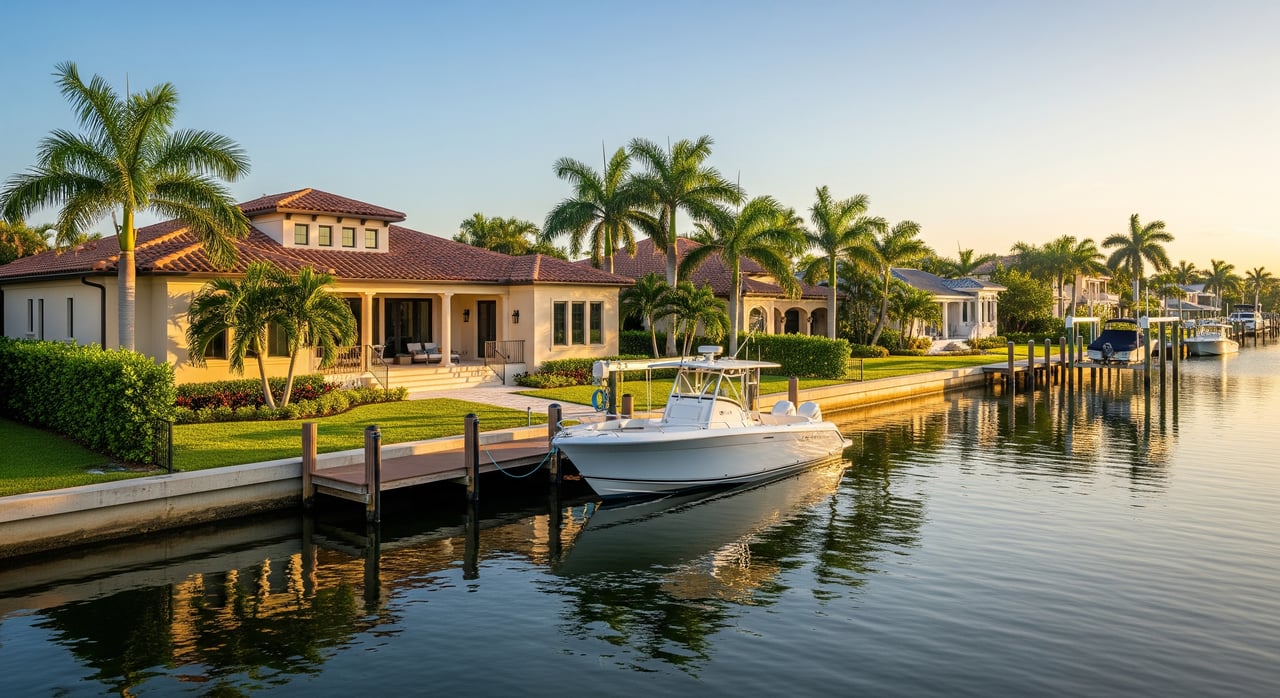
- Canal-front with dock: Intracoastal-style saltwater canals and basins, often with private docks and lifts. Navigation to the Gulf may involve bridges.
- Bayou, lagoon, or estuary: Smaller tidal waters, often scenic but may not allow deep-draft boats.
- View-only or “wet lot”: Water or mangrove views without navigable access.
Each category carries different premiums and costs. Start by defining exactly which type you are comparing.
What drives a waterfront premium
View and orientation
Unobstructed, wide-water or Gulf views typically command the highest prices. Wider basins and open bay feel more expansive than narrow canals. Corner or end-of-basin lots often have broader sightlines.
Dockage and navigation
Private docks and boat lifts have real value for boaters. Access to open water matters too. Fewer bridges, no locks, and shorter runs to the inlet usually mean higher demand.
Lot, privacy, and amenities
Lot size, pool, outdoor living areas, and beach access all add up. The age and condition of seawalls and docks also influence price and future costs.
Scarcity and zoning
Beachfront parcels are scarce, which can push prices higher. Zoning and permitted uses, including whether short‑term rentals are allowed, may affect both enjoyment and resale.
Costs that reduce net value
Flood and wind insurance
If a home sits in a Special Flood Hazard Area like FEMA Zone AE or VE, a lender will require flood insurance. Rates depend on elevation and construction. You can check a property’s designation through the FEMA Flood Map Service Center. Florida’s property insurance market has been volatile in recent years, which has affected premiums and coverage options. The Florida Office of Insurance Regulation and Citizens Property Insurance Corporation offer helpful context. For flood coverage basics and options through the National Flood Insurance Program, review FEMA’s FloodSmart resource.
Seawalls, docks, and corrosion
Salt air accelerates wear on metal, HVAC, and roofing. Seawalls and docks need maintenance and eventual replacement. Many waterfront improvements require permits through county and state agencies, and sometimes federal approvals for navigable waters. Start with the Florida Department of Environmental Protection and the U.S. Army Corps of Engineers permit guidance. Timeline and design constraints can affect both project cost and resale timing.
Environmental variables
Gulf Coast conditions can affect enjoyment and rental demand. Harmful algal blooms such as red tide occur seasonally. For status and research, check the Florida Fish and Wildlife Conservation Commission red tide page. Over the long term, sea-level rise can raise baseline flood risk. Explore scenarios with the NOAA Sea Level Rise Viewer. During water quality advisories, the Florida Department of Health beach water quality page is a helpful reference.
Marketability and resale
Waterfront homes often attract a niche buyer pool. In a strong market, niche buyers can be highly motivated, especially for top-tier lots with sunset views or fast Gulf access. In softer markets, a narrower pool can mean longer marketing times. Inland homes tend to appeal to a wider range of buyers, which can improve liquidity and pricing consistency.
A step-by-step way to price the premium
Use this simple, local-first method to compare similar properties in Venice:
- Define the waterfront type. Are you evaluating Gulf-front, canal-front with a private dock, or view-only? Treat each separately.
- Pick a tight group of comps. Look within the same neighborhood or a short distance, and match age, size, lot type, and condition as closely as possible.
- Gather essential data. For each comp, collect sold price, list-to-sale ratio, days on market, price per square foot, and flood zone. If possible, note elevation, seawall and dock condition, HOA fees, and property taxes.
- Get insurance context. Ask for sample quotes from a local insurance agent for homeowners, wind, and flood coverage. Note differences across flood zones.
- Calculate the premium. Compare matched waterfront vs. inland comps by dollars and by percentage. Keep the comparison neighborhood-specific.
- Adjust for ongoing costs. Annualize the incremental costs of waterfront ownership. Subtract the insurance delta, seawall and dock depreciation, and marine maintenance to estimate a cost-adjusted premium.
- Weigh lifestyle benefits. If boating, sunsets, and view quality are top priorities, factor that value into your decision, even if it is not reflected in price-per-square-foot data.
How to think about cost-adjusted value
Here is a clean way to compare two homes you like:
- Start with the price gap between the waterfront and inland options.
- Add estimated closing costs and any immediate repair items for each.
- Estimate annual insurance for both, including flood where required.
- Add average yearly maintenance and an allowance for seawall/dock depreciation for the waterfront property.
- Compare the total expected five-year cost of ownership, then divide by five for an annual view. This helps you see the true premium you are paying for view, water access, and lifestyle.
Regulations and permits to know
Before you renovate, add a lift, or replace a seawall, confirm your permitting path. Waterfront work can involve multiple agencies and timelines:
- Flood zones and maps: FEMA Flood Map Service Center
- Flood insurance basics: FEMA FloodSmart
- Coastal and environmental permits: Florida DEP
- Navigable waters and federal permits: U.S. Army Corps of Engineers
- Long-term coastal change: NOAA Sea Level Rise Viewer
A clear permit plan can protect value and reduce surprises during resale.
When inland can be the better value
- You want lower insurance and maintenance. Inland homes outside Special Flood Hazard Areas may lower annual costs.
- You want newer construction or master-planned amenities. Many inland communities offer modern layouts and community features.
- You prefer a wider resale audience. A broader buyer pool can support price stability across market cycles.
When waterfront is worth it
- You boat, fish, or kayak often. Private docks and quick access to open water can be life-changing if you will use them.
- You prioritize views and sunsets. Daily enjoyment and guest appeal can justify the premium.
- You want a unique property. Scarcity can support long-term value if you buy a well-located lot with strong view corridors.
Buyer and seller checklists
Buyer checklist
- Define your waterfront type and budget for that category.
- Pull matched comps by neighborhood, age, and size.
- Verify flood zone, elevation, and any lender requirements.
- Request sample insurance quotes for homeowners, wind, and flood.
- Inspect seawall, dock, lift, and shoreline condition.
- Confirm permits and any HOA or city rules for docks, lifts, and rentals.
- Estimate annual marine maintenance and replacement cycles.
- Model a five-year cost of ownership for each finalist.
Seller checklist
- Pre-inspect seawall, dock, and lifts; address simple repairs.
- Gather permits, surveys, elevation certificates, and maintenance records.
- Clarify flood zone and any flood policy that may be assumable.
- Highlight navigation benefits, view corridors, and sunset orientation.
- Price with tight, local comps and adjust for condition and water type.
- Prepare marketing that sells both the home and the lifestyle.
Local guidance that makes the difference
You do not need to choose blind. A local, lifestyle-focused plan can uncover off-market options, match you to the right water type, and prevent costly surprises with insurance and permitting. If you are weighing waterfront versus inland in Venice, we can help you compare real comps, obtain insurance context, and coordinate the right inspections so you can buy or sell with clarity.
Ready to explore Venice with trusted local guidance? Contact The Paxton Group to start your Florida lifestyle search.
FAQs
How do I check a Venice home’s flood zone?
- Use the address in the FEMA Flood Map Service Center and review the zone, base flood elevation, and lender requirements.
Do I need flood insurance for a canal-front home?
- If the home is in a Special Flood Hazard Area like Zone AE or VE, lenders require it. Even outside those zones, coverage can be smart. See FEMA FloodSmart for basics.
How do red tide or water advisories affect value?
- Short-term events can impact enjoyment and rentals. Track conditions with the FWC red tide page and the Florida Department of Health beach water quality.
Who permits seawalls, docks, and boat lifts in Sarasota County?
- Coastal projects often involve the Florida DEP and sometimes the U.S. Army Corps of Engineers; county building permits may also apply.
Is Florida’s insurance market a risk for waterfront buyers?
- Premiums and availability can shift. Monitor updates from the Florida Office of Insurance Regulation and the state-backed Citizens Property Insurance program.
How do I quantify the waterfront premium in Venice?
- Compare matched neighborhood comps, then subtract added annual costs like flood and marine maintenance to find a cost-adjusted premium that fits your goals.